SMS vs MMS: Key Differences for Business Communication
SMS vs MMS: Key Differences
| Feature | SMS (Short Message Service) | MMS (Multimedia Messaging Service) |
|---|---|---|
| Content | Text-only (160 characters) | Supports images, videos, audio, and longer text |
| Cost | Low-cost, ideal for bulk messaging | More expensive due to data usage |
| Compatibility | Works on all mobile phones | Requires smartphones with data |
| Best Use Cases | OTPs, alerts, reminders | Marketing campaigns, product visuals |
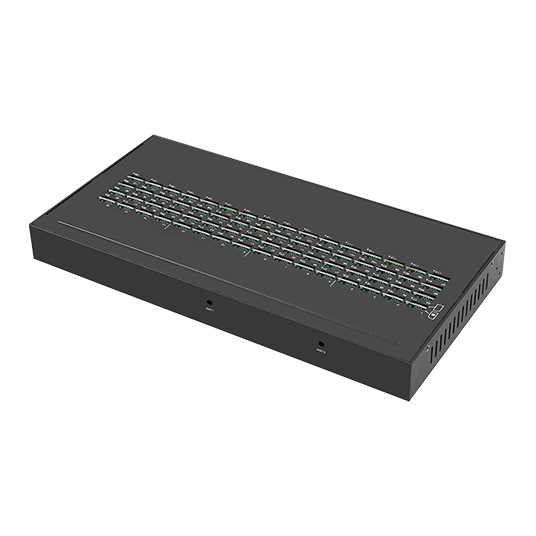 ## **When to Use SMS vs MMS?**
Use SMS For:
✔ High-volume messaging (e.g., SMS modem pool for bulk alerts)
✔ Time-sensitive notifications (OTPs, order confirmations)
✔ Cost-effective outreach
Use MMS For:
✔ Brand promotions with visuals (product images, videos)
✔ Higher engagement campaigns
✔ Storytelling with rich media
SMS Modem Pool: Enhancing Business Messaging
An SMS modem pool enables businesses to send large-scale SMS campaigns efficiently. Unlike MMS, which relies on mobile data, SMS works universally—making it ideal for:
- Bulk SMS marketing
- Automated alerts & reminders
- Two-factor authentication (2FA)
Conclusion
SMS is best for fast, reliable, and cost-effective communication, especially with an SMS modem pool for scalability. MMS enhances engagement with multimedia content but is pricier and requires smartphone compatibility.
For businesses prioritizing high-volume messaging, integrating an SMS modem pool ensures seamless delivery, wider reach, and better ROI.
Optimize your messaging strategy today—choose the right solution for your business needs!